Communications
Communication and Group Travel
Off-roading is unpredictable. Cell service often vanishes, and trails can stretch miles from civilization. That’s why traveling with a group or reliable communication devices like GMRS radios or satellite messengers is a best practice. These tools can mean the difference between a minor inconvenience and a life-threatening situation.
Note that with GMRS, you need an FCC license to operate, but, it’s only $10 to apply, there is no course to take. The license is good for 10 years and it covers your family menbers too.
Example: Your group is running Potts Mountain Jeep Trail and a Jeep overheats midway through. There’s no cell coverage. Thanks to GMRS radios, someone drives to a ridge and contacts another group near the trailhead, who brings extra coolant and a tow strap. If you were alone with no communication, you’d be stuck with no way to call for help until someone happens to pass by—potentially hours or days later.
Types of Communications
In 2026, there are several ways to communicate when you are off-roading, with GMRS beings the most popular.
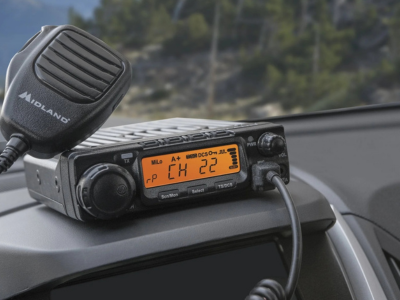
GMRS
General Mobile Radio Service or GMRS is a Long range two way communications, need an FCC LIcense to use. Better than CB radio with distances ranging from 1-5 miles depending on the radio and line of sight.
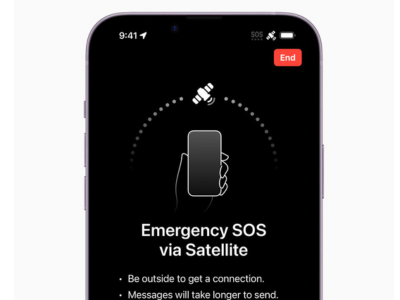
Cell Phone and Satellite
Cell phone technology has become much better in recent years with some offering Satellite capabilities with limited communications. There are also Satellite ‘pagers’ that can use text message to communicate.
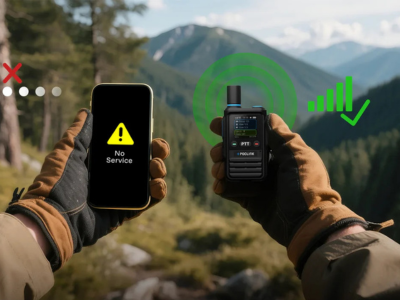
Long Range Two Way Cell
This Push-to-talk over Cell is a technology that has been around for roughly 25 years, it uses LTE/5G and general only works with other PoC devices, some offer non cell signal to work more like a tradional walkie-talkie.
Trail Etiquette: Leave It Better Than You Found It
Trail etiquette isn’t just about being polite—it’s about protecting access to the trails we love. One of the most destructive things off-roaders can do is leave trash behind. Litter harms wildlife, pollutes waterways, and ruins the natural beauty that makes off-roading worthwhile. Worse, it gives the community a bad name and can lead to public land closures.
Example:
At your campsite near Flagpole Knob, you find beer cans, cigarette butts, and melted plastic in the fire ring. You didn’t leave it, but you take the time to clean it up anyway, bagging everything and hauling it out. Later, you post in your off-road club’s chat, thanking others who do the same and encouraging trail clean-up days. That’s the kind of stewardship that keeps trails open for everyone.