lorem ipsum sit dolor
Getting Stuck: Smart Recovery Tactics
Getting stuck in mud, snow, or sand happens even to the most experienced off-roaders. But the difference between damaging your rig (and the trail) or recovering smoothly comes down to your technique. Never floor the gas pedal. Spinning your tires digs you deeper and tears up the terrain.
Instead, use the right tools—traction boards, a winch, or recovery straps—and recover calmly and safely.
Tools to Use
Below are the recommend tools to use should you get stuck.
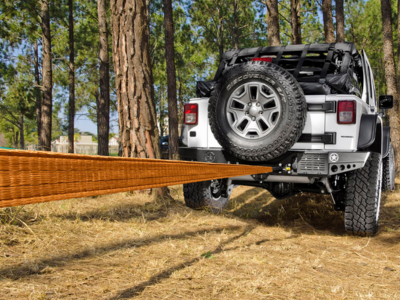
Tow Strap
Tow Straps are an easy way to help pull you out using another rig. They have ratings from just a couple thousand pounds to 20,000lbs+
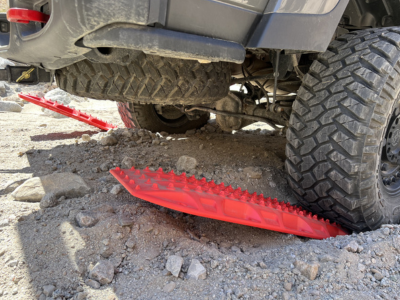
Traction Boards
Traction Boards are newer to off roading and typically comes in a form of ABS plastic. Some have metal studs, others plastice, but the idea is the same, to help provide traction under the tire.
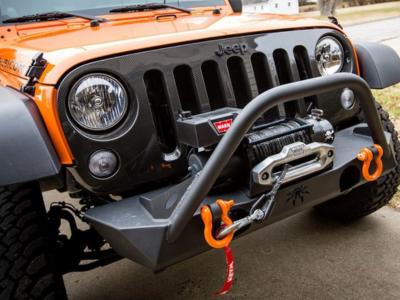
Winches
Winches are a popular option and many of them can be connected to a front bumper or rear bumper. Connected to the main battery, they are great to get out of a situation without need of a second rig.
Tire Spinning and Trail Erosion
One of the fastest ways to destroy a trail is spinning your tires excessively, especially in wet or soft conditions. This practice causes deep ruts, tears up roots and soil, and encourages others to drive around the damaged area—widening the trail and amplifying the damage.
Avoid the temptation to “power through” obstacles. Slow, steady throttle input and proper traction tools are the way to go.
When Nature Calls
When you’ve got to go… you’ve still got to do it responsibly. Human waste can contaminate water sources and disrupt the environment. The correct method is to go at least 200 feet from any water source and use a shovel to dig a 6–8 inch “cathole”, or even better, bring a wag bag or portable toilet and pack it out.
Example:
While riding the Bald Mountain Jeep Trail, you stop for a break and need to go. You walk into the woods 200 feet from the stream, dig a hole, and cover it fully afterward. If you’re in a fragile or popular area, like Moab or Rubicon Trail, you use a wag bag instead—because even catholes aren’t acceptable in high-traffic places.
Trail Right-of-Way: Who Moves Over?
When meeting another vehicle on a narrow or steep trail, trail etiquette and safety both dictate that the downhill vehicle yields to the uphill driver. The reason is simple: vehicles going uphill may lose momentum or traction if forced to stop or back up, while downhill vehicles have more control and visibility when backing.
Example:
You’re descending a rocky shelf road and spot a Tacoma climbing toward you. There’s no room to pass. You pull into a turnout and reverse 100 feet to a wide spot, letting them continue up uninterrupted. They give you a wave of thanks—and everyone avoids a dangerous or frustrating situation.